
How To Prevent Getting Sick In 5 Simple Steps
Saturday, November 04, 2023

In today's fast-paced world, more and more people are turning to alternative approaches to achieve sustainable health and well-being.
In this respect, holistic medicine offers us a refreshing perspective and a comprehensive and integrative approach to the healing process.
Unlike traditional medicine, which often focuses only on treating symptoms, holistic medicine considers the mind, body and spirit as interconnected entities that only in harmony with one another can lead us to authentic well-being.
By addressing the root causes of ailments and using a wide range of natural therapies such as herbal medicine, acupuncture and mindfulness practices, holistic medicine aims to restore balance and promote long-term health.
Next, I will show you 5 simple steps that will help you prevent getting sick and keep you healthy, enjoying all that life has to offer, for a long time.
Step #1: The Importance of a Correct and Timely Examination
Have you ever wondered what lies beyond what we can see with our own eyes?
Well, entering the fascinating realm of dark-field microscopy you will discover a fascinating world where the invisible becomes visible and hidden wonders become known.

Dark-field microscopy opens up a new exploration perspective, where we find relevant information about our state of health, bringing to light the unseen beauty of microscopic organisms.
By illuminating objects in the dark field, they become visible against a dark background, thus allowing the observation of subtle details, such as the internal structure of cells or the movement of microorganisms in real time.
Dark-field microscopy offers us numerous advantages and benefits compared to traditional bright field microscopy.
One of the main advantages is its ability to highlight the fine details of transparent or thin objects that are overlooked by a common microscope.
Thus, we can observe the internal structures of cells, the subtle details of bacteria or the delicate movements of protozoa.
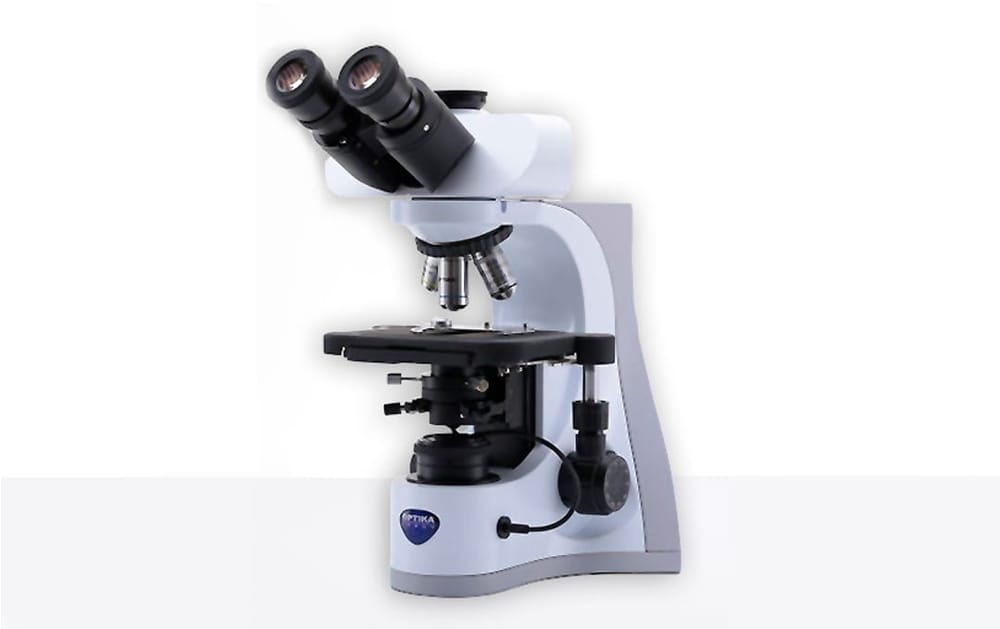
Another advantage of dark-field microscopy is that it does not require staining or fixation of specimens.
This allows researchers to observe objects in a state as close as possible to their natural conditions, without affecting their structure or composition.
Through a dark-field analysis, you will find out information that other investigation methods cannot tell you, and you will be able to know precisely if a recovery therapy is appropriate or not.
After a dark-field analysis, you will also be able to decide together with the therapist, if you want to follow the best therapy for your health.
Step #2: Accurate Diagnosis, The First Step In Any Recovery Process
Today, more and more people are looking for alternative methods of healing and achieving optimal health. However, the importance of an accurate diagnosis, a crucial aspect often overlooked, remains something that should not be neglected.
By understanding the interconnectedness of various body systems, a therapist can uncover underlying imbalances and design a comprehensive treatment plan that meets the patient's unique needs.
Without an accurate diagnosis, therapists may find it difficult to provide the most effective and tailored treatment plans for their patients, or the recommended treatment is not effective because it does not treat the actual cause of the condition.
By understanding the underlying cause of a condition, a therapist can develop a personalized treatment plan designed to target that cause. This can lead to better outcomes and a significant improvement in the patient's health.
In establishing the diagnosis, conventional medicine relies exclusively on laboratory tests and medical imaging. But, for all their accuracy, these methods may have certain limitations and may not detect certain underlying conditions or imbalances.
An accurate diagnosis in holistic medicine is what can make the difference between effective and ineffective treatment.

To reach an accurate diagnosis, therapists use a variety of techniques and tools.
These may include nutritional and lifestyle assessment, testing for food allergies and intolerances, analyzing hormone imbalances and stress levels, and using complementary therapies such as acupuncture and homeopathy.
These techniques and tools allow the treating physician to obtain a holistic picture of the patient's state of health and correctly identify the underlying cause of his condition.
When it comes to diagnosing health problems, traditional methods often involve invasive procedures that can cause discomfort and even pain.
This is where biomagnetic resonance scanning (BRS) comes in. This cutting-edge technology provides a comprehensive analysis of the body's energy patterns.
Traditional diagnostic tools can only focus on certain areas of the body, while BRS can analyze the energy fields of the entire body.
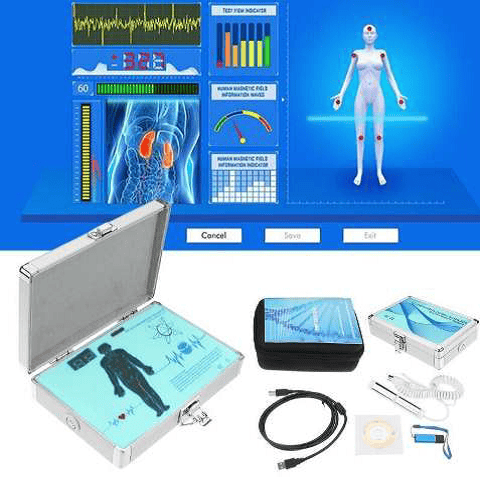
Because of this, the BRS is considered a valuable tool for identifying potential health problems that may go unnoticed using other diagnostic tools.
In addition, BRS can also be used to monitor the body's response to treatment.
By analyzing the energy patterns of the body before and after treatment, therapists can easily determine if the treatment is effective, making adjustments if necessary.
Step #3: The Overwhelming Importance of An Appropriate Therapy
As people have become more interested in exploring alternatives to traditional medicine, alternative therapies have become more recognized and accepted in the medical community and among consumers.
Once considered unconventional methods, these therapies have today become a viable option for all those looking for natural and holistic solutions to their health.
Alternative therapies are based on the principle that the body has the ability to heal itself and maintain its internal balance, and that these therapies can stimulate and support this process.
There is a wide range of alternative therapies that you can explore to improve your health and well-being. Each therapy has its own principles and modes of action.
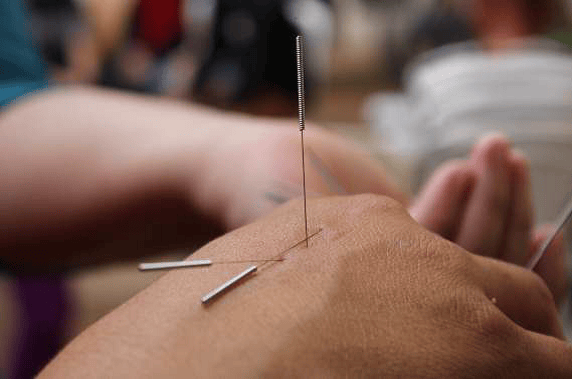
1. Acupuncture
Acupuncture is a traditional Chinese practice that involves using thin needles to stimulate specific points on the body to restore energy balance and clear blockages.
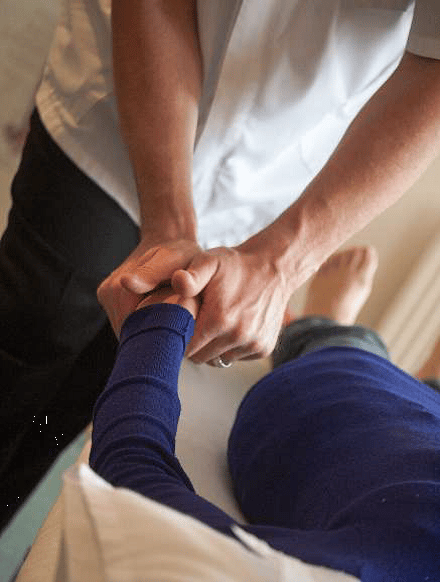
2. Chiropractic
Chiropractic focuses on the musculoskeletal and nervous system, using manual adjustments to correct dysfunctions and facilitate natural healing.
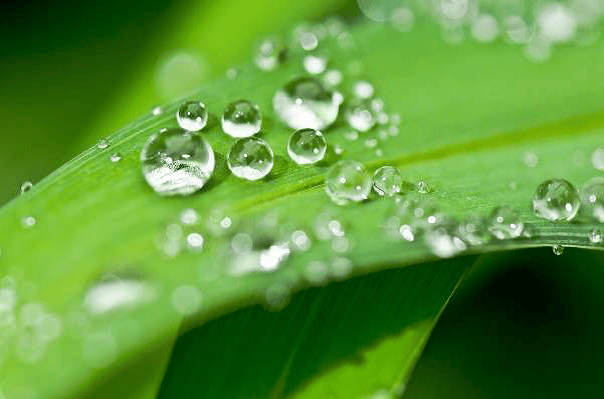
3. Phytotherapy
Phytotherapy uses medicinal plants and extracts to treat various ailments and improve general health.
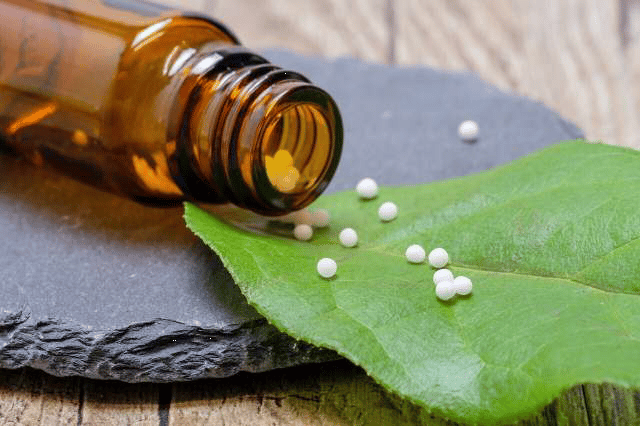
4. Homeopathy
Homeopathy is based on the principle of similar healing, using very small amounts of natural substances to stimulate the body's healing system.
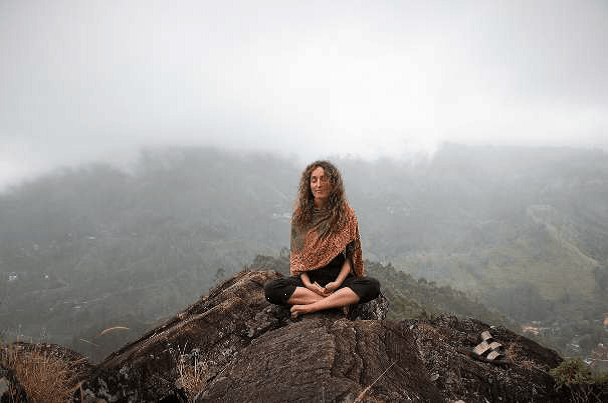
5. Meditation
Meditation is a spiritual and mental practice that involves focusing and relaxing the mind, benefiting mental health and reducing stress.
6. Herbal Therapy
Herbal therapy is the use of plants and their extracts in various forms to treat and prevent various ailments.
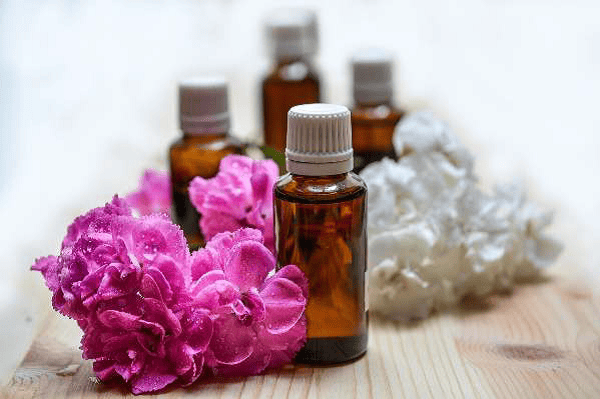
Each therapy has its own benefits and modes of action, and choosing the right therapy for each depends on personal needs and preferences.
It is important to consult a specialist therapist in advance in order to obtain a personalized assessment and a correct choice of therapy.
Alternative therapies can be used as complementary or alternative options to conventional treatments, depending on individual needs and preferences.
In addition to physical health benefits, alternative therapies can also have a significant impact on mental health. In a hectic and stressful world, they can provide a way to balance the mind and find inner peace.
The effectiveness of alternative therapies has been the subject of numerous studies and research. Several times, these studies have shown the benefits of alternative therapies in various health conditions and the fact that they can be effective in the treatment and prevention of many conditions.
Although they can be beneficial for most people, alternative therapies can also have potential risks or limitations. It is important to be aware of these and keep them in mind before starting any alternative therapy.
Step #4: Careful Monitoring of the Recovery Process
The process of full recovery involves many aspects of life, monitoring the progress being particularly important to achieve the desired result.
By tracking the progress, you can quickly identify the areas where you need to intervene and take the necessary measures to be able to improve them.
Progress monitoring also helps you see your long-term progress and remind you how far you've come.
Without monitoring, it can be difficult to get a clear view of your progress and be motivated to continue your recovery efforts. Therefore, it is important to start tracking and recording your progress regularly.
There are a number of key parameters that you should consider when monitoring the progress of your holistic recovery process.
These metrics will help you get an overview of your progress and identify areas that need more attention and improvement.
Here are some important parameters you should consider:
1. Physical health and well-being
It is essential to monitor factors related to your physical condition, such as energy levels, mobility and physical pain.

Track your progress in physical activities such as recovery exercise, healthy eating and adequate sleep.
2. Emotional and mental health
Holistic recovery also involves emotional and mental health. Monitor your mood, stress and anxiety levels, and record your thoughts and emotions in a journal.

This will help you observe your emotional evolution and identify factors that can negatively influence the recovery process.
3. Assessing progress in relationships and social support
Relationships and social support play a significant role in the recovery process. Monitor your interactions with those around you and record your level of relationship satisfaction.
It also assesses how well you are receiving and providing support at this point in your recovery process.
4. Monitoring progress towards personal and professional goals
Goal setting is an important aspect of the recovery process. Track your progress towards your personal and professional goals and record your achievements.
This will help you maintain a sense of direction and motivate you to keep working towards those goals.
While monitoring progress can be extremely useful, there are also challenges and pitfalls to avoid to ensure effective monitoring.
At times, unrealistic or overly ambitious goals can occur, leading to frustration and discouragement.
It is important to recognize that each person has their own pace of recovery and that it is crucial to focus on personal progress, not external comparisons.

In addition, let's remember to be gentle and offer ourselves trust and compassion during the recovery process.
Step #5: The Importance of Support After a Successful Recovery
Congratulations on completing your journey to recovery! But did you know that the road to complete healing doesn't end there?
Post-recovery support is just as essential to keeping your hard-earned wellness alive and thriving.
Whether you've overcome physical, mental, or emotional challenges, taking care of yourself after recovery is crucial to long-term success.
In today's fast-paced life, it can be easy to slip back into old habits or neglect ourselves, but by making support a priority, you can ensure that your progress doesn't stop.
Holistic healing is a process that involves addressing health and well-being issues in a comprehensive way, taking into account the physical, mental and emotional aspects of a person.
This involves treating a person's whole system, rather than focusing only on individual symptoms or conditions.
Holistic healing recognizes the close connections between body, mind and soul and seeks to restore balance and harmony between them.
In order to stay strong on the path of holistic healing, it is important to understand the concept itself and internalize the principles behind it.
This will give you a solid foundation on which to build and develop throughout your life.
One of the most important aspects of support after recovery is ongoing self-care.

This involves adopting regular practices that support and promote well-being, both physically and mentally and emotionally.
By taking the time and effort to care for your body, nourish your mind, and nurture your soul, you will experience a number of significant benefits.
By understanding the concept of holistic healing, adopting self-care practices and creating a personalized support plan, you can maintain your well-being and live a balanced and fulfilled life.
With determination, patience and the support of a community, you will be able to overcome the inherent challenges and continue to grow throughout this journey.
Don't let your efforts slip – treat post-recovery support as an ongoing journey to keep yourself truly healthy!

See you soon…

Hi, I Am Irinel Bogdan
CEO Of Best Blog Ever
Hope you'll find here the necessary HELP in your everyday challenges to reach the highest level of achievement and fulfillment...

Choose EXCELLENCE... Today!
You just read about this...
Super excited about this product? Thousands of entrepreneurs are, too!
Ready to order it? Get access to the Product here: